BLITZ
2024–2026
A Blueprint-only multiplayer shooter framework built on a custom Unreal Engine platform, covering custom ability architecture, replication, gameplay systems, playtesting, and live operations tooling.
Project Overview
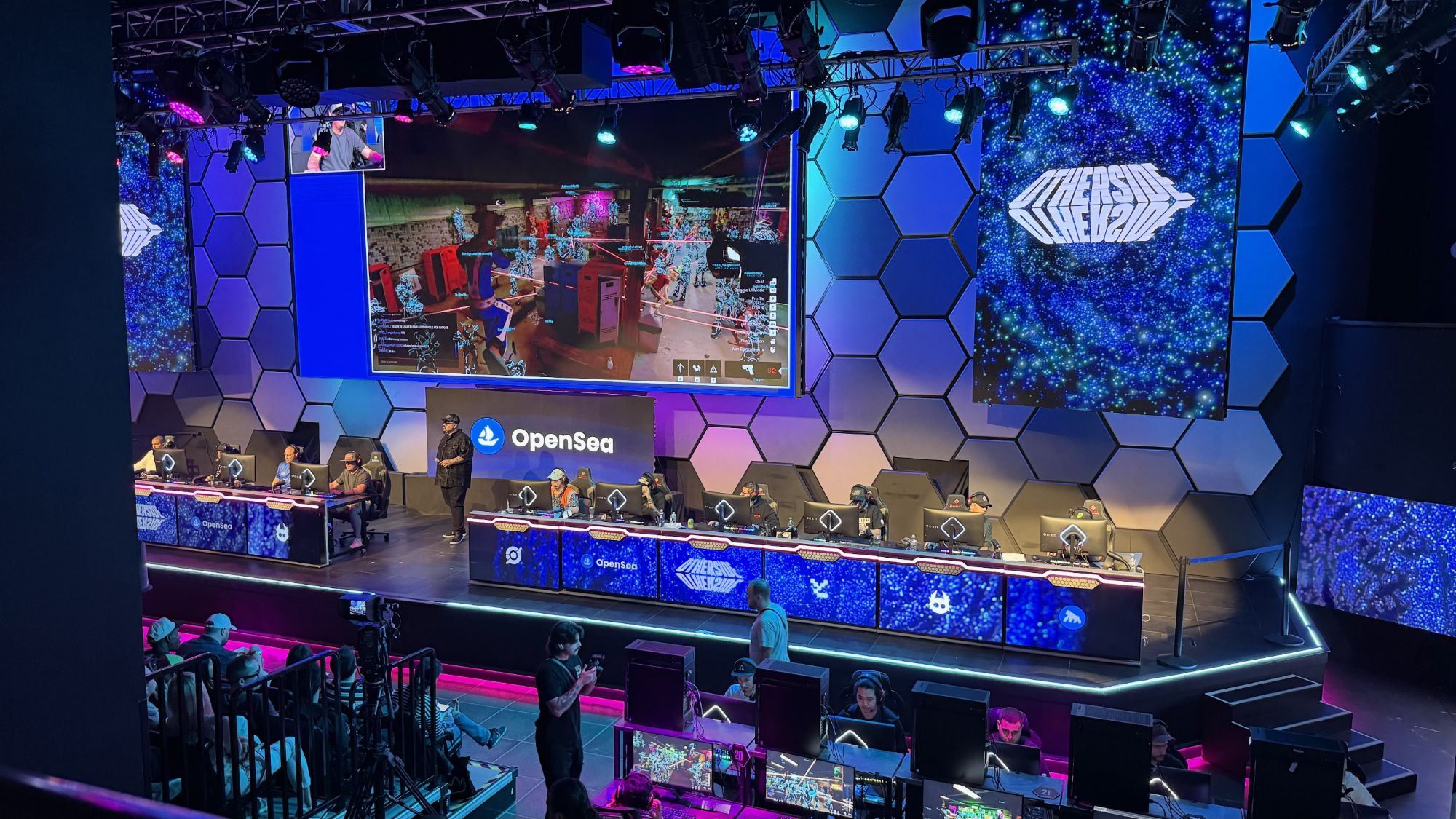
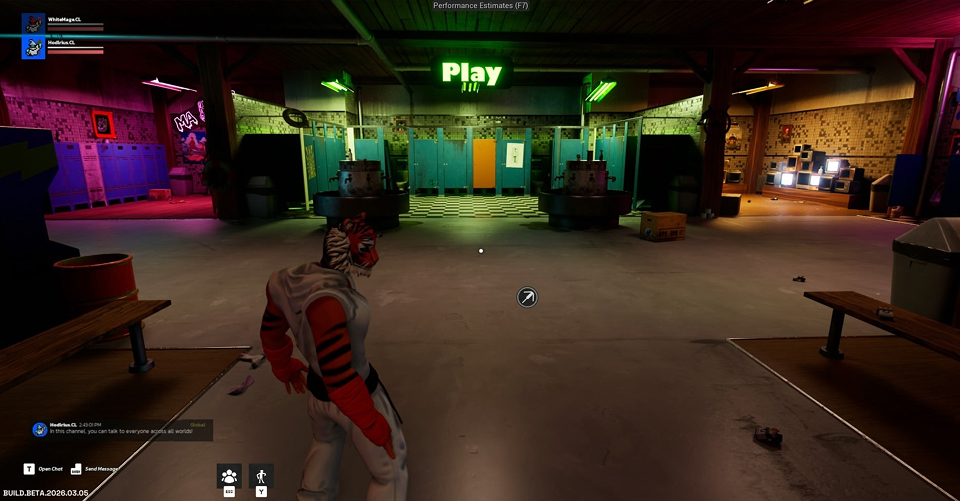
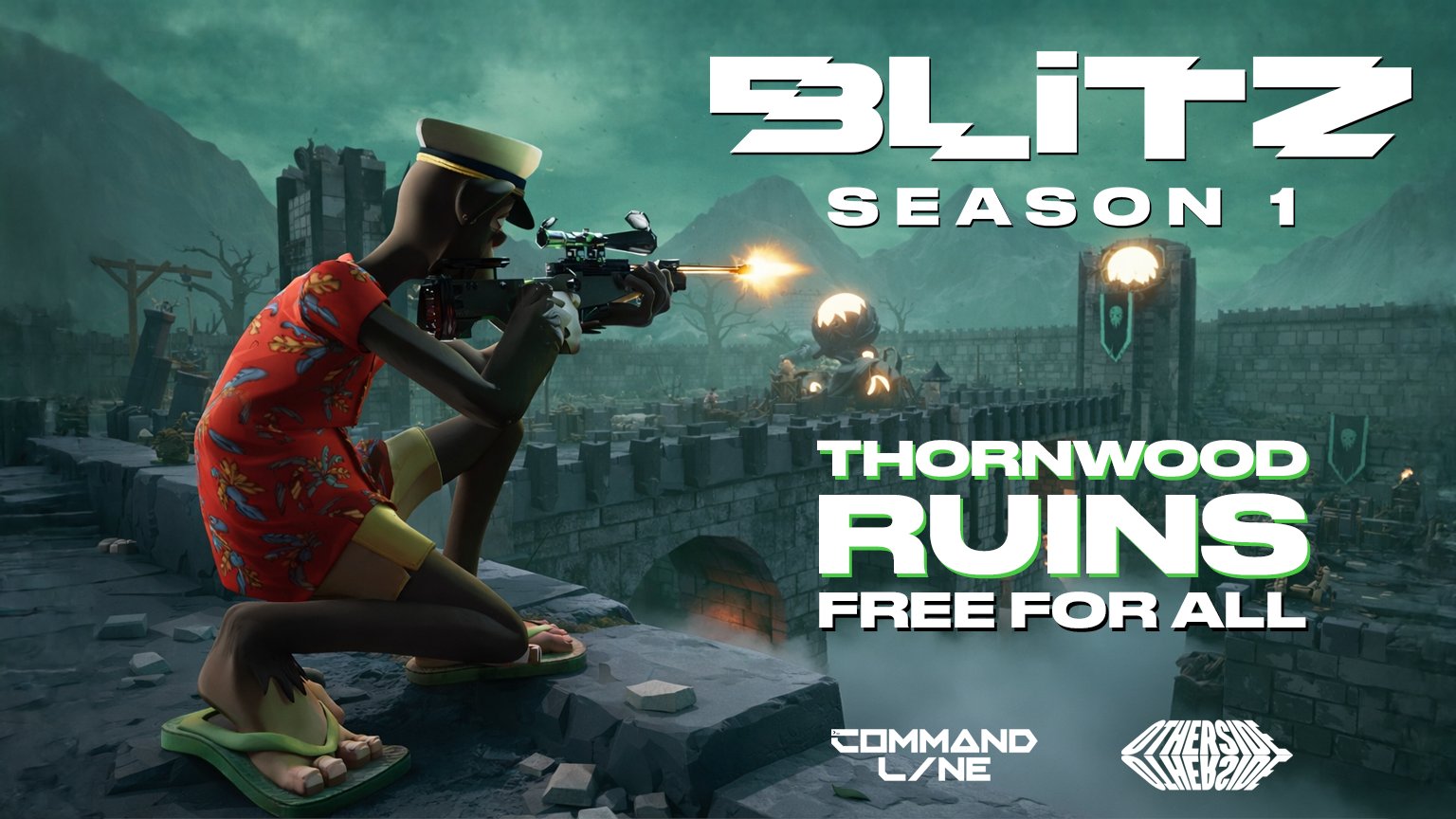
BLITZ is a competitive multiplayer shooter that Command Line was contracted to build for another company's browser-based multiplayer platform, running on a custom build of Unreal Engine. The experience combines browser-accessible multiplayer combat, fast traversal, weapon systems, map-specific hazards, social systems, matchmaking, and live playtesting workflows.
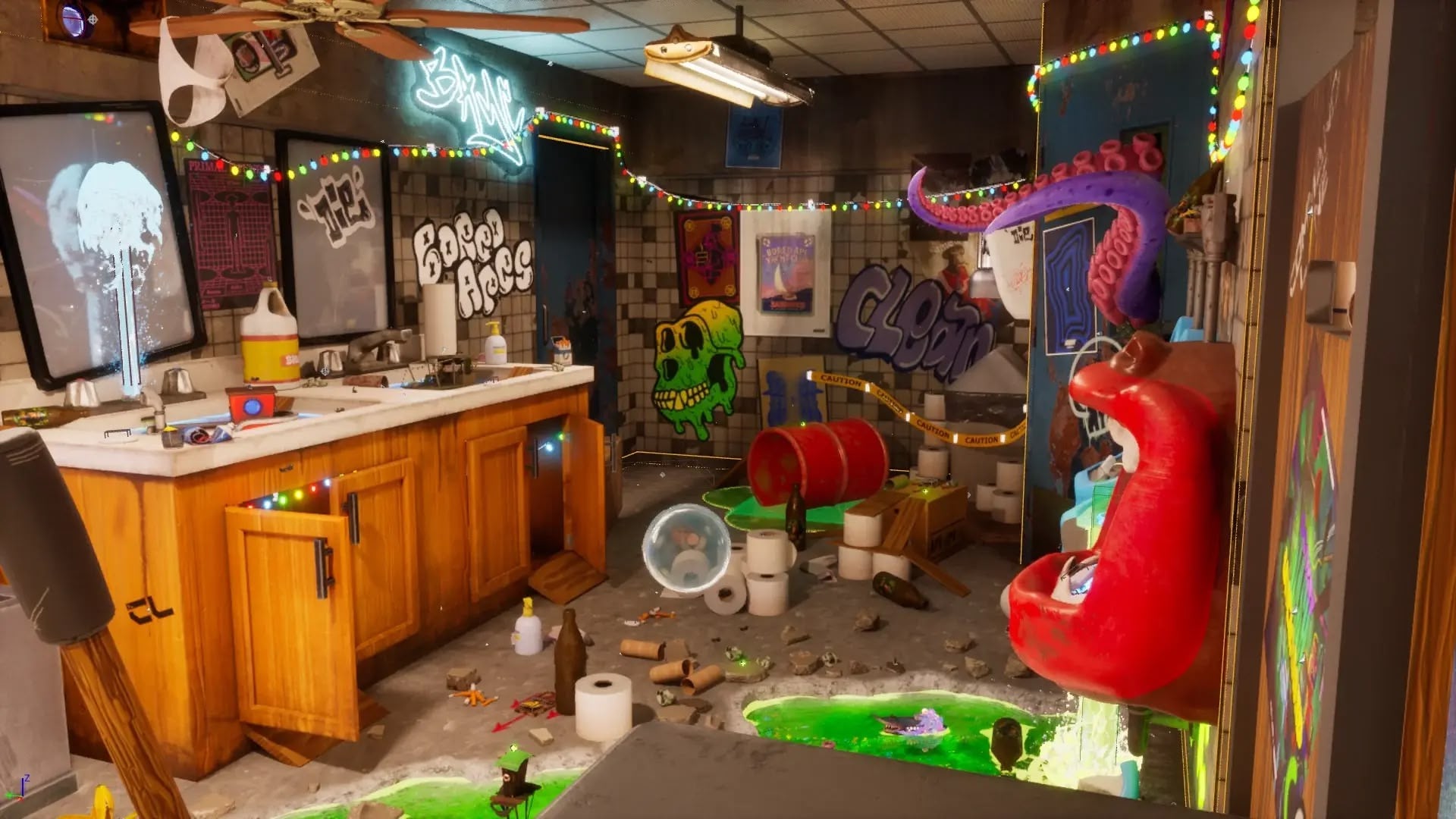
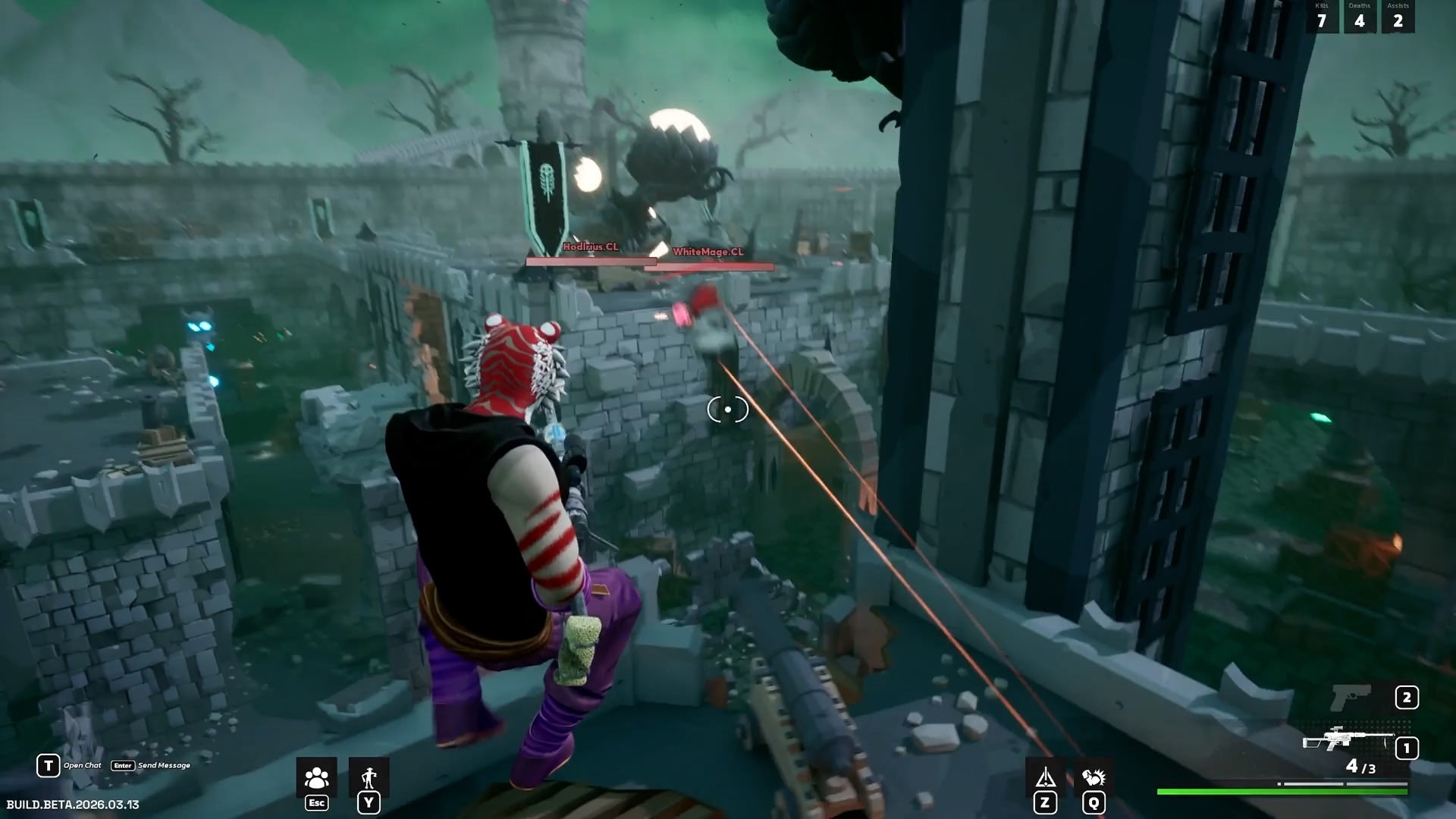
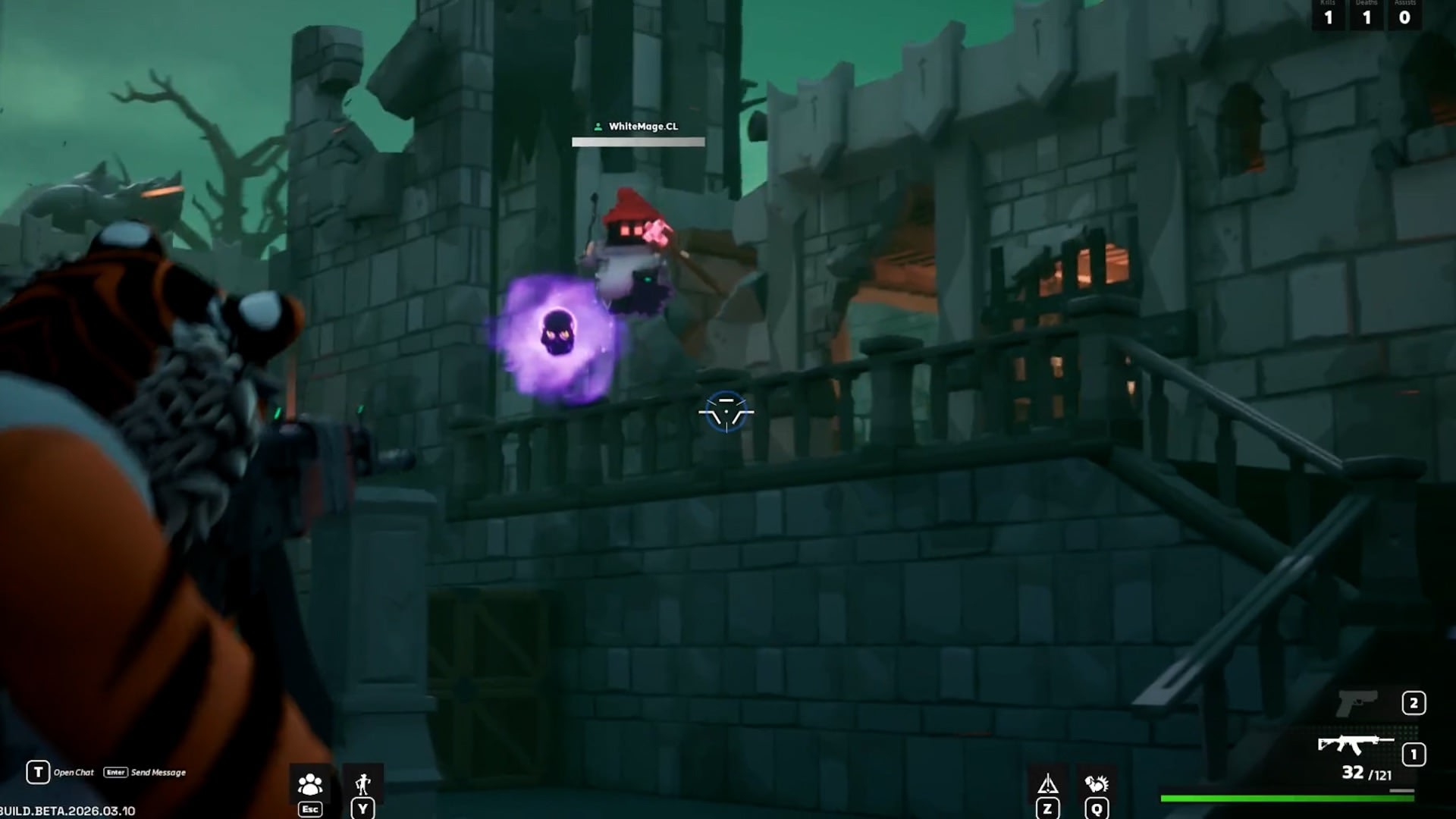
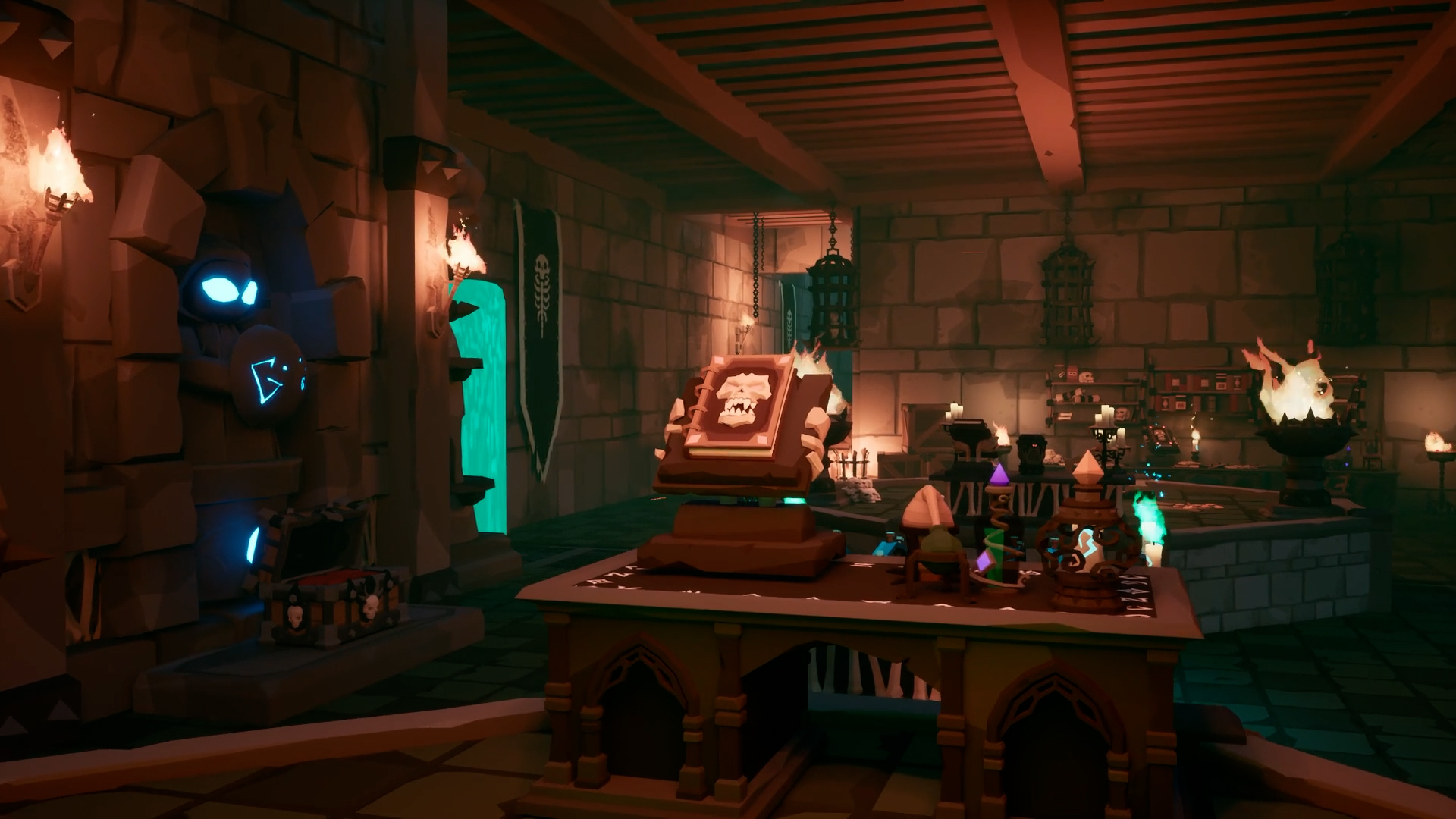
The Season 1 rebuild expanded the experience with weapons, grapple traversal, teleportation, environmental hazards, session and party systems, and two launch maps, including Thornwood Ruins.
My Contribution
Role: Technical Director / Gameplay Engineer.
I built every gameplay system from scratch myself, from the ground up. This was built on a custom Unreal Engine version through the platform's development kit, and the team did not have access to C++ or Unreal's Gameplay Ability System. Every gameplay system I owned was built in Blueprints.
CLO Gameplay Framework
I built CLO as an abstract gameplay and product framework for experiences on the platform. It was not built only for BLITZ. The goal was to give teams a reusable foundation that could support many different styles of games on the platform.
CLO connected the user interface, dashboards, backend database, automated live ops tooling, social/community surfaces, core gameplay systems, and the CLOGAS ability framework into one production-ready template for platform development.
The framework was designed around the realities of the custom engine: limited low-level engine access, custom platform services, browser and account flows, the platform's custom replication layer, live operations requirements, and a need for designers and playtest operators to move quickly without waiting on engine-level C++ changes.
Besides BLITZ, CLO supported multiple in-development titles. One of those was a small MMO-style platform experience with fishing, farming, combat, exploration, and additional social gameplay systems. The same framework that powered a competitive shooter could also support slower progression loops, persistent-style activities, and non-shooter interaction models.
I built CLO to be approachable for both new and experienced developers. Newer developers could use the framework's Blueprint patterns, reusable systems, and consistent interfaces without needing to understand every engine-specific constraint up front. More experienced developers could extend the systems, customize gameplay rules, and build new experiences without fighting the replication, platform, UI, or live ops foundation.
CLOGAS Ability Framework
Because GAS was unavailable in the custom development kit, I built CLOGAS, a custom Blueprint gameplay ability framework modeled around the parts of GAS that BLITZ needed while being compatible with the platform's custom replication system.
CLOGAS handled ability activation, replicated ability state, cooldowns, gameplay effects, status-style modifiers, damage and healing behaviors, input routing, animation and weapon hooks, pickup-driven buffs, and the authority boundaries required for multiplayer gameplay. The framework gave BLITZ a consistent way to author abilities and combat behaviors in Blueprints while keeping the server, replicated clients, and local prediction needs aligned with the platform's replication model.
Gameplay Systems
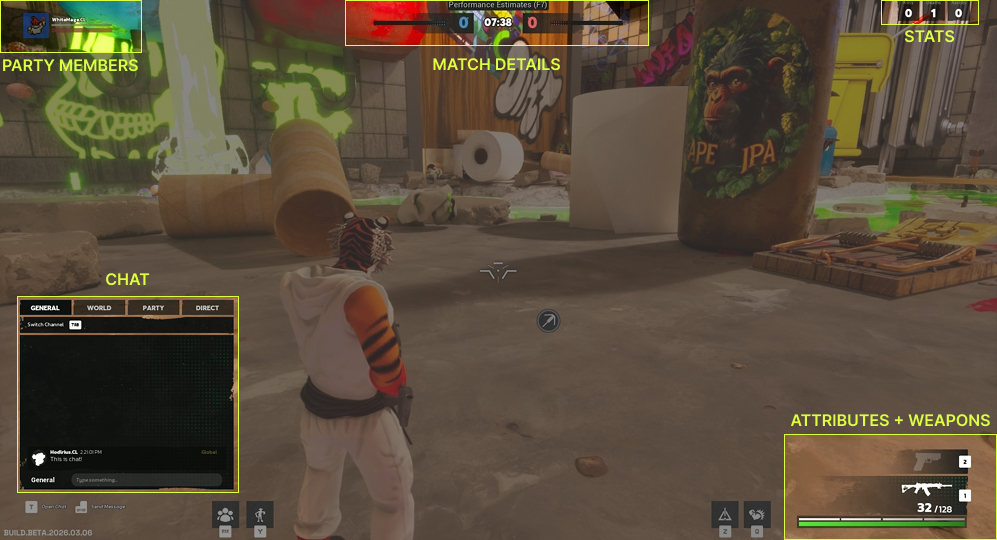
I built the complete gameplay foundation: player state, match state, score rules, health, damage, eliminations, respawn flow, inventory, weapon slots, weapon pickup, ammo pickup, health pickup, buff pickup, projectile spawning, projectile replication, hit validation, damage routing, melee behavior, traversal abilities, teleportation, grapple behavior, environmental hazards, map-specific interactables, and player feedback loops.
The weapon system covered multiple weapon archetypes and the core rules needed for a multiplayer shooter: equip and unequip flow, weapon slot management, ammo accounting, fire cadence, projectile ownership, replicated impact handling, damage falloff-style tuning hooks, pickup replacement, and UI synchronization. It had to be reliable in live playtests while still being quick enough to tune entirely through Blueprints.
The projectile and combat systems were built around replicated authority rather than local-only effects. Projectiles, attacks, pickups, buffs, and hazards all needed clear ownership, clean state transitions, and predictable results across clients through the custom replication layer.
The inventory and item systems supported the moment-to-moment shooter loop: picking up weapons, swapping equipment, tracking ammunition, applying temporary buffs, restoring health, and keeping the HUD aligned with authoritative gameplay state.
The respawn and match systems handled player lifecycle from entry through elimination, death state, respawn timing, spawn selection, score updates, and re-entry into active combat. Those systems were built to support rapid playtesting and live iteration across both launch maps.
Playtesting and Live Ops
I also built the playtesting and admin tooling around the experience, including systems for live test operations, dashboard-driven oversight, gameplay tuning support, session visibility, and the operational flows needed to run repeated multiplayer tests on the platform.
That work made BLITZ more than a standalone prototype. It became a full gameplay product framework with the systems needed to author, test, operate, and iterate a live multiplayer shooter on the platform without relying on unavailable C++ or GAS workflows.
Outcome
BLITZ became the most played and highly reviewed experience on the platform.
Tech Stack